
Grief, Loss and Late-Life Depression: Support for Seniors
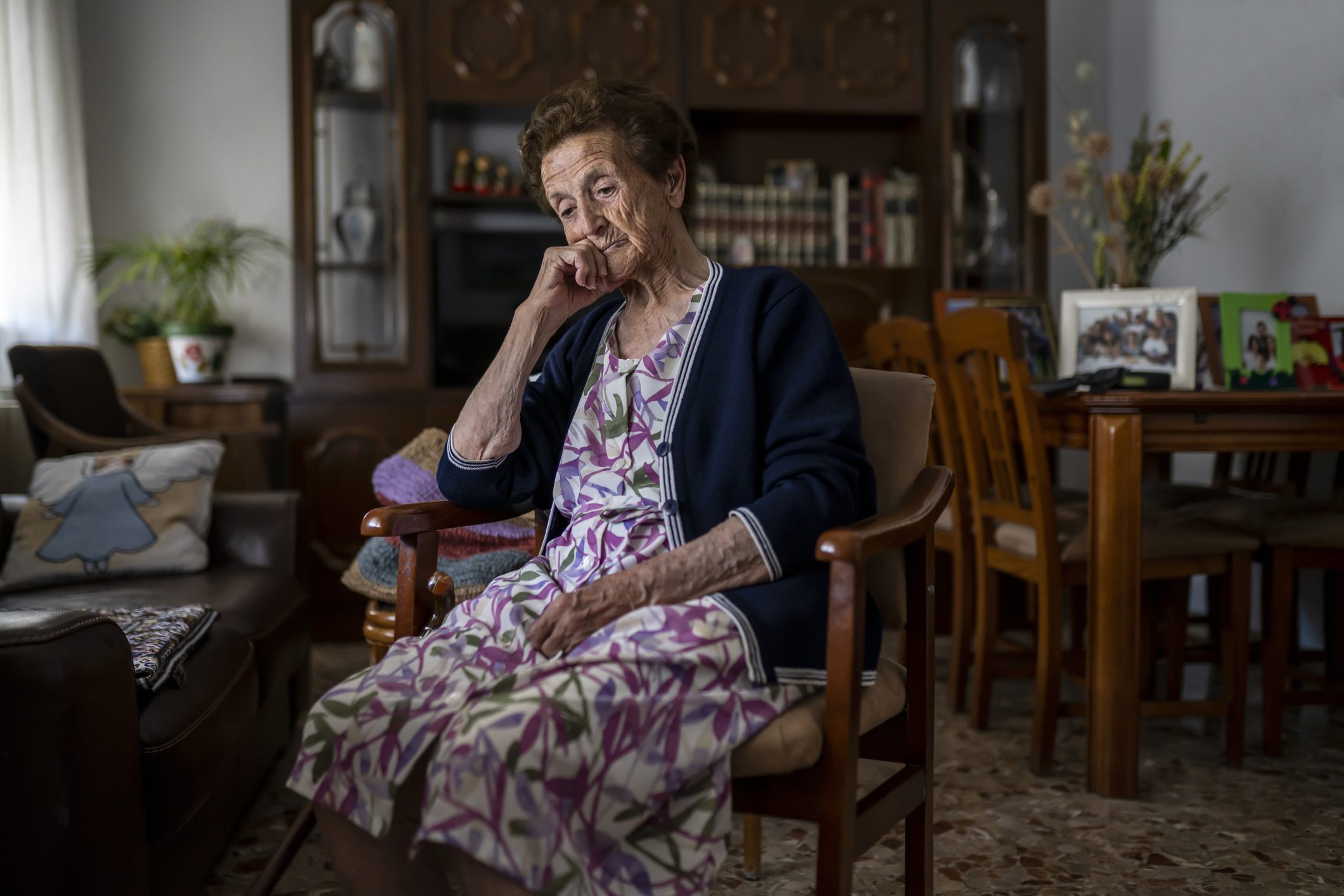
Grief is a natural response to loss, but when sadness, withdrawal or hopelessness persist for weeks or months, it may signal late-life depression rather than typical mourning. Seniors face unique risk factors, including the loss of a spouse, retirement and social isolation. Mental health support for seniors, ranging from grief counseling for the elderly to more structured behavioral health programs, can restore quality of life and offer a path toward healing. Losing a spouse, adjusting to retirement or facing a new health diagnosis can bring waves of sadness that feel impossible to escape. For many seniors, grief becomes a quiet companion that doesn’t always announce itself as depression. When grief lingers well beyond what feels typical, it can quietly turn into something that needs more than time to heal. Many older adults manage these feelings alone, unaware that professional care could ease the weight they’re carrying. Understanding how grief and late-life depression connect is the first step toward finding the right kind of support.
How Are Grief and Late-Life Depression Different?
Grief and depression can look similar on the surface, but they follow different paths. Grief tends to come in waves, with moments of relief mixed in with sadness. Late-life depression, on the other hand, often settles in and stays, coloring most days with the same heaviness.
Common triggers seniors face
Several life changes can bring on both grief and depression in older adults, including:
- Loss of a spouse or close friend: Losing a life partner or longtime friend can leave a profound sense of loneliness that outlasts the initial mourning period.
- Retirement: Stepping away from a career can mean losing a sense of purpose, structure and daily connection with others.
- Health changes: A new diagnosis, chronic pain or reduced mobility can limit independence and bring on feelings of loss.
- Social isolation: Fewer opportunities to socialize, whether from mobility limits or the loss of peers, can deepen feelings of sadness over time.
Why seniors face a higher risk of depression
According to the National Institute of Mental Health, depression isn’t a normal part of growing older, though many seniors experience it because of physical illness, loss and social isolation. When several of these factors overlap, an older adult’s risk for depression in the elderly rises considerably. Recognizing this connection can help families and caregivers respond with patience instead of confusion.
What Are the Warning Signs of Depression in the Elderly?
It can be hard to tell when grief has shifted into something that needs more support. A few signs are worth paying attention to:
- Persistent sadness: Sadness that lasts for weeks or months, well beyond what feels typical for grief.
- Loss of interest: Pulling away from hobbies, social activities or routines that once brought enjoyment.
- Changes in sleep or appetite: Sleeping far more or less than usual, or noticeable shifts in eating habits.
- Low energy: Feeling tired most of the day, even after adequate rest.
- Increased anxiety or irritability: Restlessness, worry or a shorter temper than usual.
- Social withdrawal: Avoiding calls, visits or gatherings with loved ones.
When these symptoms last for more than two weeks or begin to interfere with daily life, it’s worth reaching out to a geriatric psychologist near you or another mental health provider trained to work with older adults.
How Does Mental Health Support Help Seniors Cope With Grief and Loss?
Therapy and counseling can offer older adults a space to work through grief while also treating any depression that may have developed alongside it. Senior behavioral health providers understand how aging, loss and mental health concerns intersect, which allows care to be built around the whole person rather than a single symptom.
What individualized care looks like for seniors
Every senior’s experience with grief and loss is different, so care works best when it’s tailored to the person. This might include:
- Grief counseling for the elderly: Structured support to process loss at a comfortable pace.
- Dual diagnosis treatment: Coordinated care for seniors managing both a mental health concern and a substance use issue at the same time.
- Family involvement: Bringing loved ones into the process when it supports the senior’s healing.
What treatment options are available
Depending on the severity of symptoms, seniors have a few paths to choose from:
- Outpatient programs: Regular therapy sessions while continuing to live at home.
- An IOP: More frequent sessions for seniors who need additional structure without an overnight stay.
- Inpatient care: Around-the-clock support for seniors experiencing an acute mental health crisis.
The MedPsych program at Coral Shores Behavioral Health offers dual diagnosis treatment specifically for older adults facing depression, grief and loss, alongside co-occurring conditions.
When Is Outpatient Care Not Enough for Seniors?
Outpatient support works well for many seniors, but some situations call for a higher level of care. It’s worth considering more structured treatment if a senior:
- Expresses thoughts of hopelessness or self-harm
- Can no longer manage daily tasks like eating, bathing or taking medication
- Shows sudden or severe changes in mood or behavior
- Hasn’t improved despite consistent outpatient therapy
How inpatient care supports seniors in crisis
Inpatient and partial hospitalization programs provide 24-hour supervision during an acute mental health crisis. This kind of structured environment allows physicians to stabilize symptoms, adjust medications if needed and monitor progress closely. For a senior in crisis, this level of care can offer the stability that outpatient visits alone can’t always provide.
How Can You Find the Right Mental Health Support for a Senior Loved One?
Starting a conversation about mental health with an older loved one can feel uncomfortable, but approaching it with patience and without judgment can make a real difference. Asking open questions, listening without rushing to fix things and gently naming what you’ve noticed can open the door to a larger conversation about care. From there, finding a qualified provider experienced with older adults is the next step. Look for a geriatric psychologist near you or a program that specializes in senior behavioral health, since these providers understand how grief, physical health and mental health concerns often overlap in older adults. Coral Shores Behavioral Health offers senior-specialized programs, including dual diagnosis treatment, available 24 hours a day, seven days a week.
Healing Is Possible for Seniors Facing Grief and Depression
Grief and late-life depression are treatable, and seniors deserve access to mental health support that meets them where they are. Reaching out early, whether for yourself or a loved one, can help prevent symptoms from escalating and support a better long-term outcome. Professional care offers more than symptom relief. It offers hope, connection and the chance to feel like yourself again. To learn more about available programs, visit the Coral Shores Behavioral Health website or call 772-403-4000 to speak with the team directly. Support is available, and together, finding the right next step is possible.
Frequently Asked Questions
How do I know if a senior loved one is experiencing grief or depression?Grief typically comes in waves and eases with time, while depression tends to persist for weeks or months and affects most areas of daily life. If sadness, withdrawal or hopelessness don’t improve, it may be time to speak with a mental health provider experienced with older adults.
What are the best mental health tips for seniors experiencing loss?
Staying connected with loved ones, keeping a daily routine and talking openly about feelings can help seniors process loss. When these steps aren’t enough, grief counseling for the elderly or a senior behavioral health program can provide additional support.
What’s the difference between outpatient and inpatient care for seniors?
Outpatient care allows seniors to attend therapy sessions while living at home, which works well for many. Inpatient care provides 24-hour supervision and is typically reserved for seniors experiencing an acute mental health crisis or thoughts of self-harm.
Can depression in elderly patients be treated alongside other health conditions?
Yes. Dual diagnosis programs are designed to treat depression alongside co-occurring conditions, such as a substance use issue, through coordinated care that addresses the whole person.
How do I start a conversation with a senior loved one about mental health?
Approach the conversation with patience and without judgment. Ask open questions, listen closely and gently share what you’ve noticed. If concerns continue, a level-of-care assessment from a behavioral health provider can help identify the right next step.
In a mental health crisis, CALL 988 or get to the nearest emergency room.
About Coral Shores Behavioral Health
Coral Shores Behavioral Health is an inpatient and outpatient facility that treat adolescents, adults and older adults with mental health conditions and addiction issues. Our team of professionals pride themselves on adopting multidisciplinary approaches to treatment and services, that uses the industry best practices and standards. We have a dedicated staff that consists of psychiatric nurses, a doctor, a pharmacist and therapists who personalizes each patient and their treatment plan.
Located in Stuart, Florida our facility offers a therapeutic and homelike environment structured to support you and your loved ones. We can help you create the framework for recovery, highlighting the continuum of care from inpatient status to outpatient therapy. Some of our programs we have that allows us to achieve this are our adolescents, adult and MedPsych programs.
To schedule a no-cost assessment or for more information, please call us at 772-403-4000

